In the spring of 2021, the world saw a rise in colorful silicone, in the form of pop it, that is. If you were anywhere near the internet in 2021, you know what a pop it is. They became incredibly popular around this time through social media and pandemic boredom. This opened up the world of fidget toys for many Americans. Pop-its aren’t the only kind of fidget.
There are stress balls, fidget cubes, and even things to chew on instead of your pen. Brown University Health shares that fidget toys are used to “regulate and concentrate” the mind. They can be incredibly useful tools, but there seems to be a stigma around fidgeting or using fidget toys.
Scientific American shares that “psychology research about sensation seeking tells us that people often seek to adjust their experiences and their environments so that they provide just the right level of stimulation”. This, in simpler terms, means that people seek stimulation all the time. This explains why you click your pen or bounce your leg while you’re sitting.
Everyone fidgets. A Mission for Michael, a mental health treatment organization, shares that “We all fidget from time to time; tapping a foot, clicking a pen, shifting in our seats. Normal fidgeting can actually help with focus, attention, and even burning a little extra energy.” So everybody fidgets; it’s not a sign of ADHD or Autism, but people seem to think it is. And because of the negative stigma around mental health and Autism specifically, it prevents people from using a tool that could really benefit them.
In an older study from the Institute of Education Sciences, kids who were encouraged to fidget during class reported that “their attitude, attention, writing abilities, and peer interaction improved due to stress ball use.” The frequency of classroom interruptions went down, and “student achievement on writing paragraphs improved.” So let
‘s stop calling them toys, because they aren’t. They are tools that can be beneficial for everyone.
Teachers have been seeing a rise in the popularity of fidget tools at SOHS. Specifically, hand-held squeezables. There are infinite brands that make these kinds of tools, but the two most popular seem to be Speks and Needoh. Speks is a company that is more geared towards adults, describing their products as a “company focused on creating fun,” and
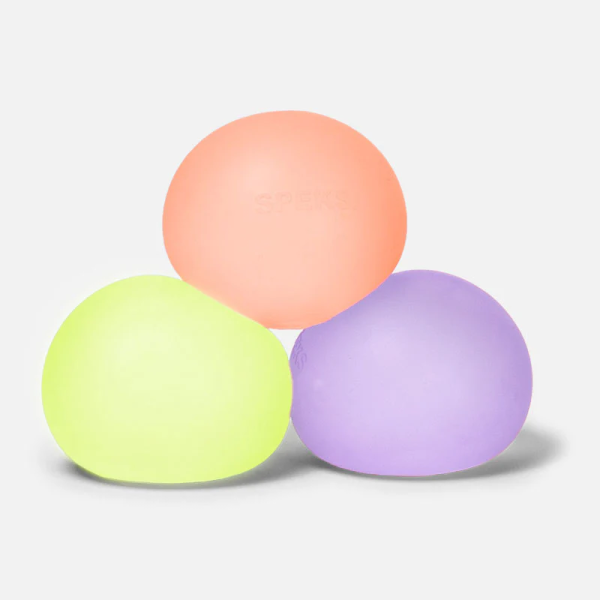 crafting products“for the office and beyond.” This makes them more appealing to adults in
 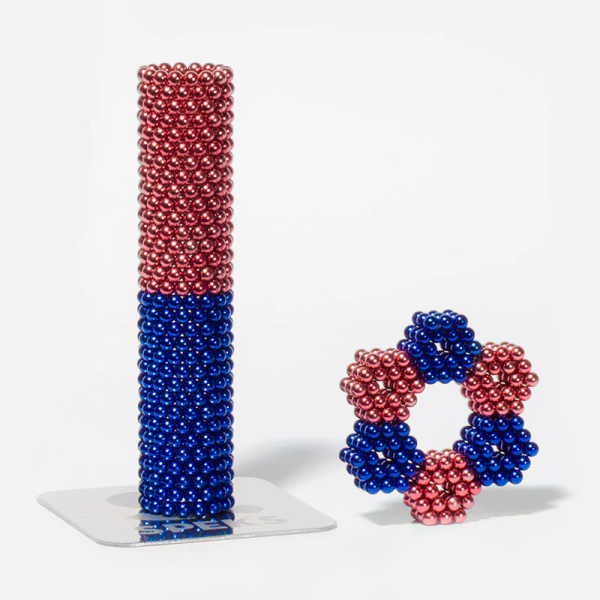 professional workspaces. They have a wide variety of fidget tools, not just squeezables, but also magnet balls you can build with, and also use as a magnetic slime.
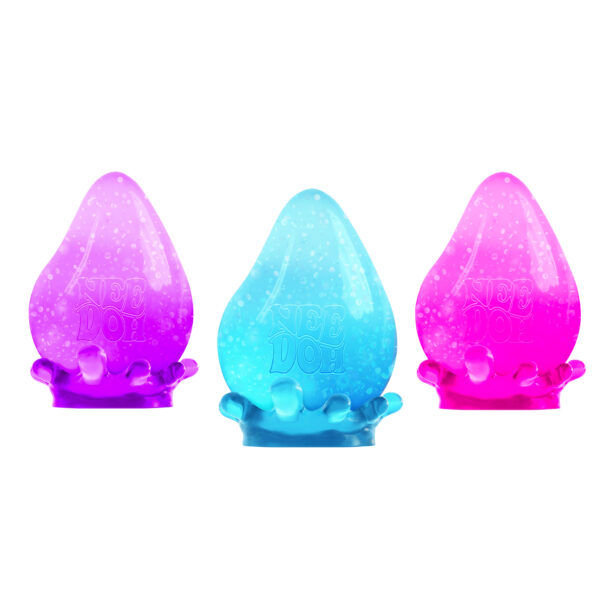
Needoh, another popular brand, is more geared towards kids, with its bright colors and fun shapes. They have a wide variety of squishy tools, but are only focused on that group of fidgets. When compared to Speks, Needohs are less expensive, and this is likely due to who they are geared towards. 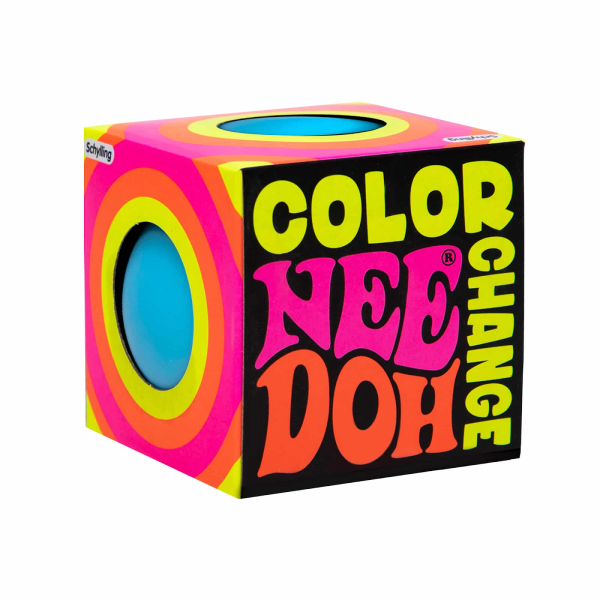
When asked about her experience with Spek fidget tools, Mrs. Schweitzer, AP Psychology and Civics teacher at SOHS, reported that it was a very good tool for focusing. After discussing with students, Schweitzer concludes Spek fidget tools seem to be more durable and of higher quality material than Needohs.
In a poll, students reported that they mostly use Needohs due to their accessibility. Students also reported that these tools have allowed them to “stay focused” and “keep their hands busy instead of picking at their skin. They have also reported that they make school more bearable and are fun to share with friends. Another trend that became apparent through the students’ responses seems to be that once you start, you can’t stop, with 75% of respondents saying they own 4 or more fidget tools and only 25% of respondents saying they own two.
So next time you’re sitting in class bored out of your mind and picking at your skin or clicking your pen, annoying everyone at your table, pull out a fidget toy. You don’t need a reason to enjoy these things; they are beneficial for everyone, and together we can reduce the stigma around fidgeting and fidget tools.